Internship Partner Resources
The Professional Internship Program provides the opportunity to develop real-world, professional experience in paid internships at leading organizations throughout the Twin Cities. Before students declare a major, they get the chance to explore industries, develop professional skills and begin to build a professional network.
Want to learn more?
Contact: Domonick Fields
Professional Internship Program Director
fiel4125@stthomas.edu
(651) 962-8012
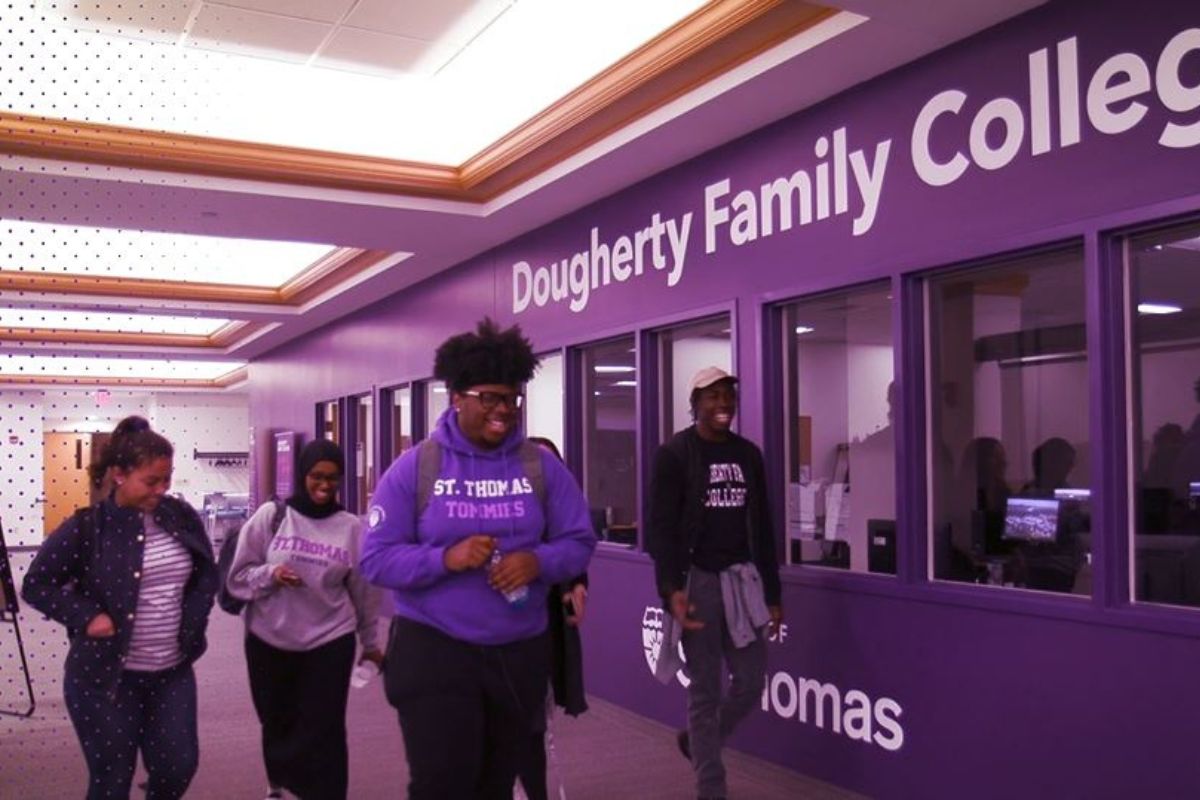
The Impact of Hiring an Intern
Hiring an intern through the Professional Internship Program offers organizations a unique opportunity to invest in the next generation of talent while benefiting from fresh perspectives and motivated support. By mentoring students early in their academic journey, hosts play a vital role in helping them explore career paths, build professional skills, and grow their networks. Interns contribute real value to their teams while gaining hands-on experience, making the partnership mutually rewarding and impactful for both the organization and the student.
Opportunity for Nonprofit Partners
Nonprofit partners can tap into a talented pool of student interns with minimal budget impact through the Federal Work Study program. The Federal Work Study program will reimburse 75% of wages for eligible students during the academic year. This partnership allows nonprofits to access valuable support while providing students with meaningful, real-world experience in the sector at a fraction of the typical cost.

Volunteer Opportunities
Volunteer opportunities are available throughout the year for professionals looking to support student career development in meaningful ways. Volunteers can participate in annual events such as the DFC Career Expo, serve as mock interviewers, join career exploration panels, host company field trips, or become mentors in our professional mentorship program. These opportunities allow volunteers to share their expertise, inspire the next generation of professionals, and make a lasting impact on students as they explore career paths and build confidence in their future.
Contact Domonick Fields, fiel4125@stthomas.edu, if you are interested in any volunteer opportunities.
How Internships Work
Preparation
Matching
After a student submits their program applications, they are matched with organizations based on their skills, interests and requirements of the internship.
Support
Students and their supervisors will receive ongoing support from the director of the program and our team.
Compensation
Internship compensation ranges from $16.50- $25.00 per hour. Our suggested rate is $18.50.
Availability
Students can start internships after their freshman year. During the school year, students will typically work one day per week, with more availability during January term and summer.
Preparation
Preparation
Matching
Matching
After a student submits their program applications, they are matched with organizations based on their skills, interests and requirements of the internship.
Support
Support
Students and their supervisors will receive ongoing support from the director of the program and our team.
Compensation
Compensation
Internship compensation ranges from $16.50- $25.00 per hour. Our suggested rate is $18.50.
Availability
Availability
Students can start internships after their freshman year. During the school year, students will typically work one day per week, with more availability during January term and summer.
Common Types of Tasks
- Account reconciliation
- Administrative
- Basic tax filing/auditing
- Billing and Invoicing
- Competitive research
- Compiling meeting materials
- Creating meeting agendas
- Creating schedules
- CRM maintenance/updates
- Customer service
- Data entry
- Identifying risk
- Event planning
- Interpreting
- Mortgage analysis
- Phone interviews
- Processing transactions
- Preparing appointment supplies
- Scheduling meetings
- Social media and web maintenance
- Special projects
- Taking meeting notes
- Verifying employment information
- Writing/filing grant applications
Best Practices to Get Started
Set Expectations
Establishing a clear and consistent work schedule is key to setting expectations and supporting a productive internship experience. Open communication from the start helps both the intern and supervisor stay aligned on availability, responsibilities, and any changes that may arise. Regular check-ins provide a space to address questions, share updates, and ensure the intern feels supported and engaged in their work.
When assigning tasks, it's important to provide context, explain priorities, and outline expected outcomes. This helps the intern understand how their contributions fit into the bigger picture and allows them to manage their time effectively. Offering benchmarks for productivity—whether it's timelines, milestones, or quality standards, can guide the intern’s performance and encourage accountability. A well-structured approach creates a professional environment where interns can grow, stay on track, and make a meaningful impact.
Establish Goals
Regular check-ins between mentors and students provide a valuable opportunity for open dialogue, allowing both parties to reflect on progress, share feedback, and strengthen the professional relationship. These conversations should be student-led, giving the student time to prepare and take ownership of their development. A successful check-in often includes a discussion of the student’s strengths and areas for growth, helping to build self-awareness and guide meaningful next steps.
To keep the conversation focused and impactful, it's helpful to select two to three specific topics to explore—such as productivity, skill development, or workplace behaviors. Together, the mentor and student can set realistic goals tied to these areas and agree on a clear timeframe for progress. This approach promotes accountability, encourages intentional growth, and helps students make the most of their internship experience.
Provide Feedback
Providing thoughtful, consistent feedback is essential to supporting an intern’s growth and helping them reach their goals. Feedback should be tied to the work they’ve completed, the goals established at the start of the internship, and the progress made along the way. Highlighting accomplishments and celebrating successes reinforces confidence, motivation, and a sense of belonging within the team. Recognizing both big and small wins helps interns see the value of their contributions and builds momentum for continued growth.
Equally important is offering constructive feedback in areas where there’s room for improvement. Framing this feedback around the intern’s development goals keeps the focus on learning rather than criticism. Be specific, actionable, and supportive, helping the intern understand what can be improved and how they can move forward. When feedback is part of a regular and open dialogue, it becomes a powerful tool for building skills, strengthening performance, and creating professional growth.
Set Expectations
Set Expectations
Establishing a clear and consistent work schedule is key to setting expectations and supporting a productive internship experience. Open communication from the start helps both the intern and supervisor stay aligned on availability, responsibilities, and any changes that may arise. Regular check-ins provide a space to address questions, share updates, and ensure the intern feels supported and engaged in their work.
When assigning tasks, it's important to provide context, explain priorities, and outline expected outcomes. This helps the intern understand how their contributions fit into the bigger picture and allows them to manage their time effectively. Offering benchmarks for productivity—whether it's timelines, milestones, or quality standards, can guide the intern’s performance and encourage accountability. A well-structured approach creates a professional environment where interns can grow, stay on track, and make a meaningful impact.
Establish Goals
Establish Goals
Regular check-ins between mentors and students provide a valuable opportunity for open dialogue, allowing both parties to reflect on progress, share feedback, and strengthen the professional relationship. These conversations should be student-led, giving the student time to prepare and take ownership of their development. A successful check-in often includes a discussion of the student’s strengths and areas for growth, helping to build self-awareness and guide meaningful next steps.
To keep the conversation focused and impactful, it's helpful to select two to three specific topics to explore—such as productivity, skill development, or workplace behaviors. Together, the mentor and student can set realistic goals tied to these areas and agree on a clear timeframe for progress. This approach promotes accountability, encourages intentional growth, and helps students make the most of their internship experience.
Provide Feedback
Provide Feedback
Providing thoughtful, consistent feedback is essential to supporting an intern’s growth and helping them reach their goals. Feedback should be tied to the work they’ve completed, the goals established at the start of the internship, and the progress made along the way. Highlighting accomplishments and celebrating successes reinforces confidence, motivation, and a sense of belonging within the team. Recognizing both big and small wins helps interns see the value of their contributions and builds momentum for continued growth.
Equally important is offering constructive feedback in areas where there’s room for improvement. Framing this feedback around the intern’s development goals keeps the focus on learning rather than criticism. Be specific, actionable, and supportive, helping the intern understand what can be improved and how they can move forward. When feedback is part of a regular and open dialogue, it becomes a powerful tool for building skills, strengthening performance, and creating professional growth.
Tips from Our Partners
- Consider assigning a mentor to the intern in addition to a supervisor
- Develop a job description – helps create common expectations, will also help DFC staff understand role better
- DFC to reach out to check in periodically throughout the semester
- Explain the "why" of tasks
- Final interview – have student complete an interview to affirm the placement
- Have intern schedule informational interviews with other members of the team or organization to expand their understanding and relationships
- Hold an orientation to help student understand organization value and expectations plus form a bond
- Org chart conversation – to help them see how everyone fits together
- References or supervisor mentors – a list of people who are willing to take a call or email from another supervisor to answer questions from their experience
- Regular communication time – check in or out, especially important when the main contact is not supervising the day-to-day work of the intern